From the outside it may appear to be a straightforward utility structure, but no two projects are identical. A pump station might be required to transport wastewater from a housing development uphill, while another site might require pressure to be maintained over commercial buildings that have different elevations. Certain projects are municipal while some are private or industrial and each has its own design requirements as well as longer-term operational goals.
Pumping systems aren’t designed to meet the needs of all. A successful station must take into consideration the real-world conditions of the area. This includes the rate of flow, the requirements for ownership as well as the future of any property it will serve. Romtec Utilities works from that perspective, designing each package pumping system to fit the exact needs of the project rather than forcing the project to fit a generic system.
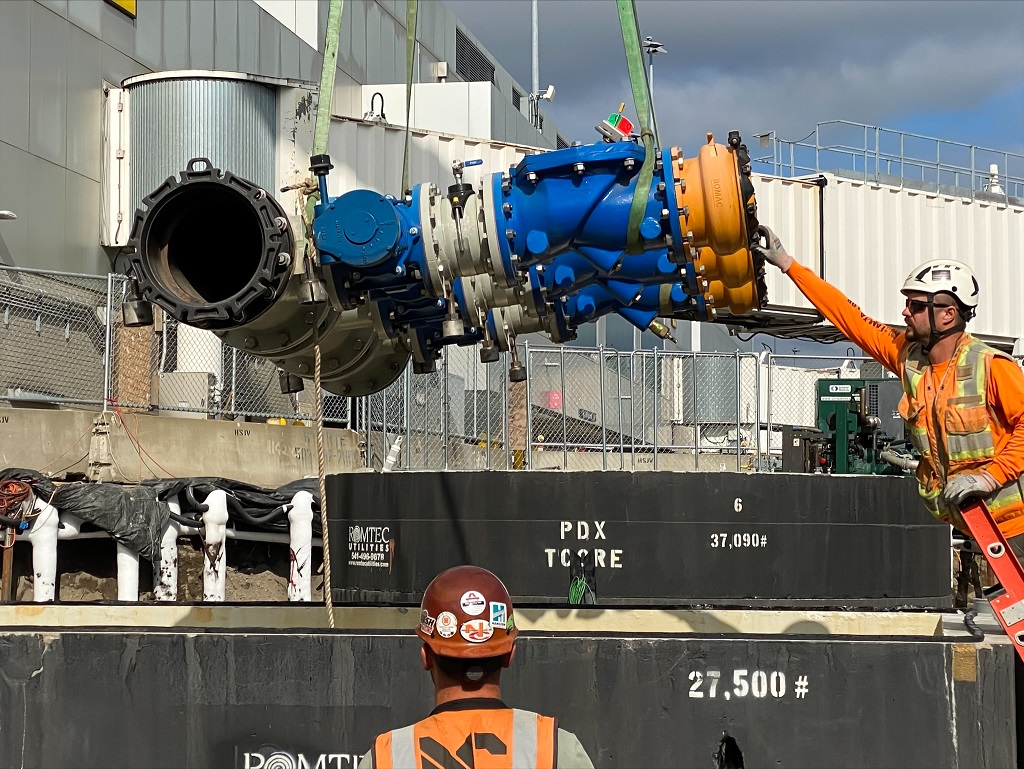
Good pumping design is about more than just moving water
Pumping stations are designed to transfer water and wastewater when gravity isn’t sufficient. It’s not enough to create a system that just works. It should also be efficient as well as reliable, easy to use, and compliant with the requirements of local and state authorities. It has to work not only on paper, but also in the day-to-day life of those responsible for operating it.
It includes everything, from the structural design, wet well size, to electrical equipment, controls, communication systems, and access for workers. The system could be afflicted with operational issues for years when even a single component is not designed correctly. Engineers and owners alike appreciate working with the most qualified lift station design engineers. Experience is essential when trying to balance hydraulic performance, long-term durability, budget, and constraints on the site at once.
Romtec Utilities brings all of these areas together under one umbrella. It manages the structural, mechanical and electrical components of the station in a comprehensive system, so customers don’t have to coordinate different vendors. That single-source approach often saves time during design, helps reduce confusion when purchasing and provides a more smooth way to installing.
Correctly designed Packaged pumping systems are simpler.
Package pumping systems are able to simplify infrastructure projects by combining essential components to create a seamless solution. The real value is in how it has been created. In the event of a poorly-matched system, it could lead to issues with performance, equipment that is too large that isn’t needed, and costly long-term maintenance problems.
Romtec Utilities views each package more of a solution than being merely a standard product. This includes choosing the right valves, pumps, and control systems to suit your needs along with the piping, enclosures, and enclosures. Also, you need to consider how the system can be monitored, what the users will use it and how it will be maintained effectively as time passes. In utility infrastructure, thoughtful coordination in the initial stages of design typically prevents larger issues later.
Booster Pump Stations solve a other kind of problem within infrastructure
Not every project involves wastewater. In many cases, ensuring the pressure of water is equally important as moving sewer. In this situation, booster pump stations are crucial. These pumps are made to ensure that water is moving smoothly through the distribution system in cases where shifts in elevation, long pipe runs or peak demand can cause pressure problems.
The design of booster systems are generally different from other types of systems. They may require control structures, variable-frequency drives, SCADA integration and telemetry. Romtec Utilities designs these stations with the same customized mindset as wastewater systems, ensuring the final result works both functionally and operationally.
A better plan can result in better long-term outcomes
The early support for design is one of the most important aspects of Romtec Utilities’ process. The initial support for design and engineering allows teams on project teams to gain a better understanding of the nature, structure and costs of the installation prior to when they make any major changes in the procurement or construction. It can make a significant difference for developers, consultants as well as public agencies that are trying to keep projects on time and within budget.
A well-planned design is the key to achieving success. A good design team will do more than just supply equipment. They can help you design a solution that performs reliably, fits the site, supports the owner’s objectives and is durable over time.
In the field of utility The most reliable methods are typically those the public never notices because they just work. This level of trust is not something that just happens. It comes from thoughtful engineering, well-coordinated, as well as the expertise to design each system around the real needs of the project.