In this day of growing awareness of the environment and efficiency in energy use, the management of water quality in ponds and lakes has taken a new turn. A growing number of pond owners, both commercial and rural managers are turning away from electrical solutions and searching for a more heavenly answer. There is a windmill-pond-aerator. This brilliant combination of old-fashioned technology and cutting-edge environmental science is an excellent solution for ponds.
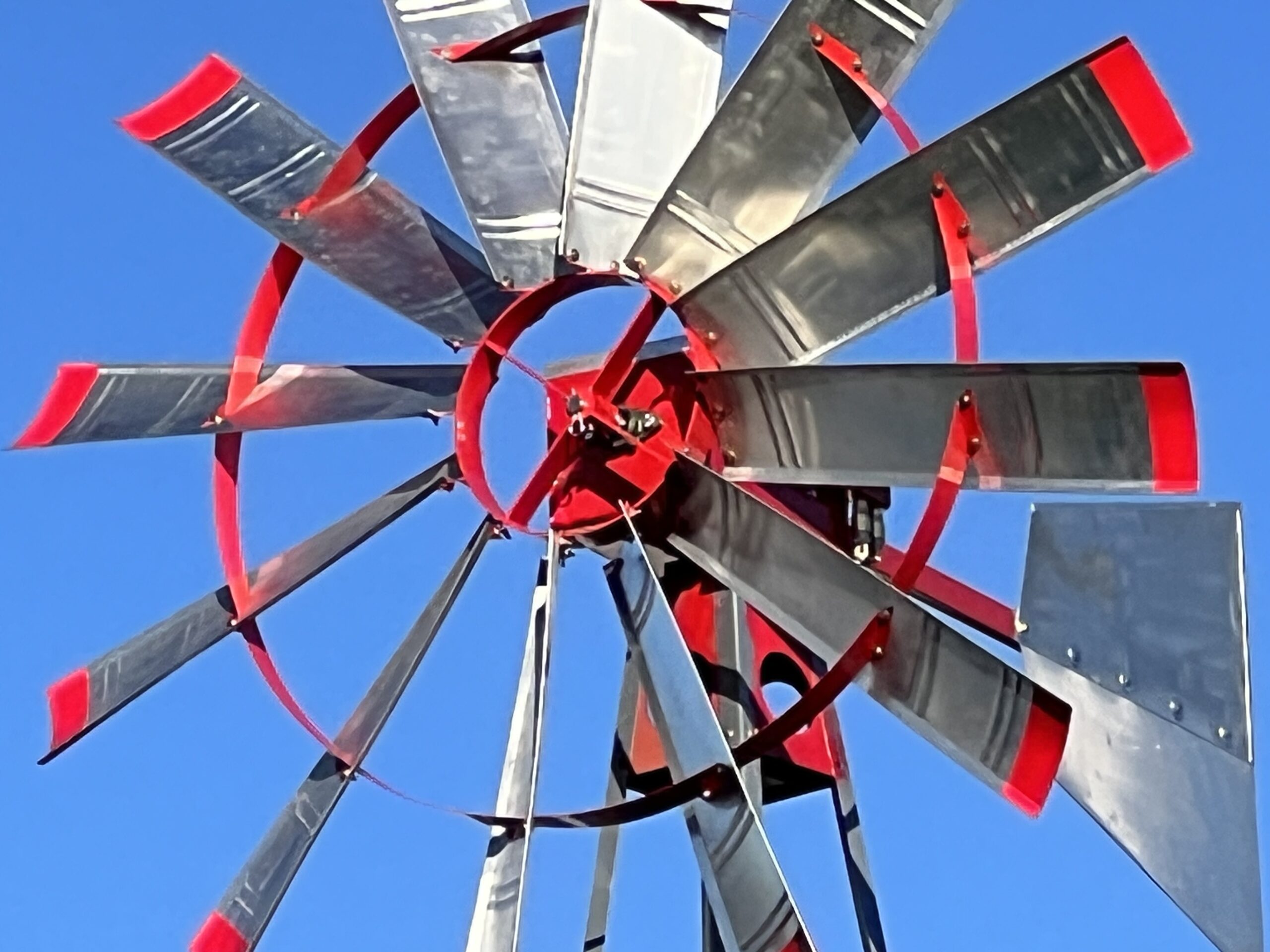
Image credit: pondaeration.com
At its core the pond aeration process is a solution for the most common problem: low-oxygen, stagnant water. A pond deficient in oxygen can become a breeding ground for mosquitoes, algae and odors that are unpleasant. The beneficial bacteria and fish suffer, and overall pond health suffers a nosedive. The traditional aerators use electric power to run diffusers or fountains to tackle this issue however they are accompanied by high energy costs and are not suited for locations that are not easily accessible. This is where wind power comes into the picture not just as an alternative, but also as the most efficient option.
Windmill Pond Aerators and Their Efficacy
Contrary to electric units that need a constant power source as well as continuous utility bills, a windmill designed for pond Aeration relies on the natural forces of nature. It takes the energy of moving air and then transfers it to a diaphragm compression that sends air through tubing with weights into diffusers set at the bottom of the pond. The rising bubbles help to oxygenate water as well as circulation of the pond’s layers, eliminating thermal stratification.
The freedom of a wind-powered aeration system is one of the major advantages. Many rural pond owners face the problem of having lakes that are not connected to electric power sources. The installation of electrical infrastructures can be expensive and invasive. A windmill however is a stand-alone entity. It is able to work for as long as the winds are moving, which is what it typically does. It produces no emissions, and minimal maintenance. For those who are interested in sustainable development, a pond air aeration turbine is a low-impact, high-reward investment.
The most effective Windmill Pond aerator for your requirements
Choosing the best windmill pond aerator , however, isn’t as simple as picking the tallest one from a catalog. Windmill aerators get rated in accordance with their materials of construction as well as their compressor efficiency and overall design. The windmill system that is of a high quality should be made from galvanized or coated steel to ensure that it is able to withstand the elements for many years. It should have a long-lasting sealed compressor as well as robust diffusers that are able to handle various depths and sediment types.
Mescan windmills, the world’s number one pond aeration-based windmill aerator. They specialize in high-performance windmill aerators that are built to last. They’re engineered using real-world experience and user feedback to ensure that the airflow is consistent even when winds are low. Some of their windmills can create airflow even at winds as low as 3-5 miles per hour, which makes them suitable even in areas with mild breezes.
Sustainable, Beautiful, and Built to Last
Visual appeal is another feature that’s worth mentioning. A traditional windmill adds the rustic appeal to any property. Windmills that are used for pond air aeration are not hidden like electric pumps or compressors. They proudly stand as a feature in the landscape and practical tool. It tells a story of self-reliance, sustainability and harmony with nature that are increasingly valuable to homeowners and environmentalists alike.
The ideal windmill pond air anaerator doesn’t only produce cleaner water. It’s about taking a long-term, sensible approach to maintaining your pond which is respectful of your budget as well as the natural environment. Wind-powered aeration is a reliable way to improve the water’s quality, help fish health and decrease your reliance on the grid.